Explaining Ukraine
Explaining Ukraine is a podcast produced by UkraineWorld.org, a multimedia project about Ukraine run by Internews Ukraine. Each episode breaks down aspects of Ukrainian politics, society and culture for an international audience. The show aims to give context and analysis that go beyond headlines, drawing on journalists, experts and commentators. Listeners can support the project through its Patreon page.
Епізоди
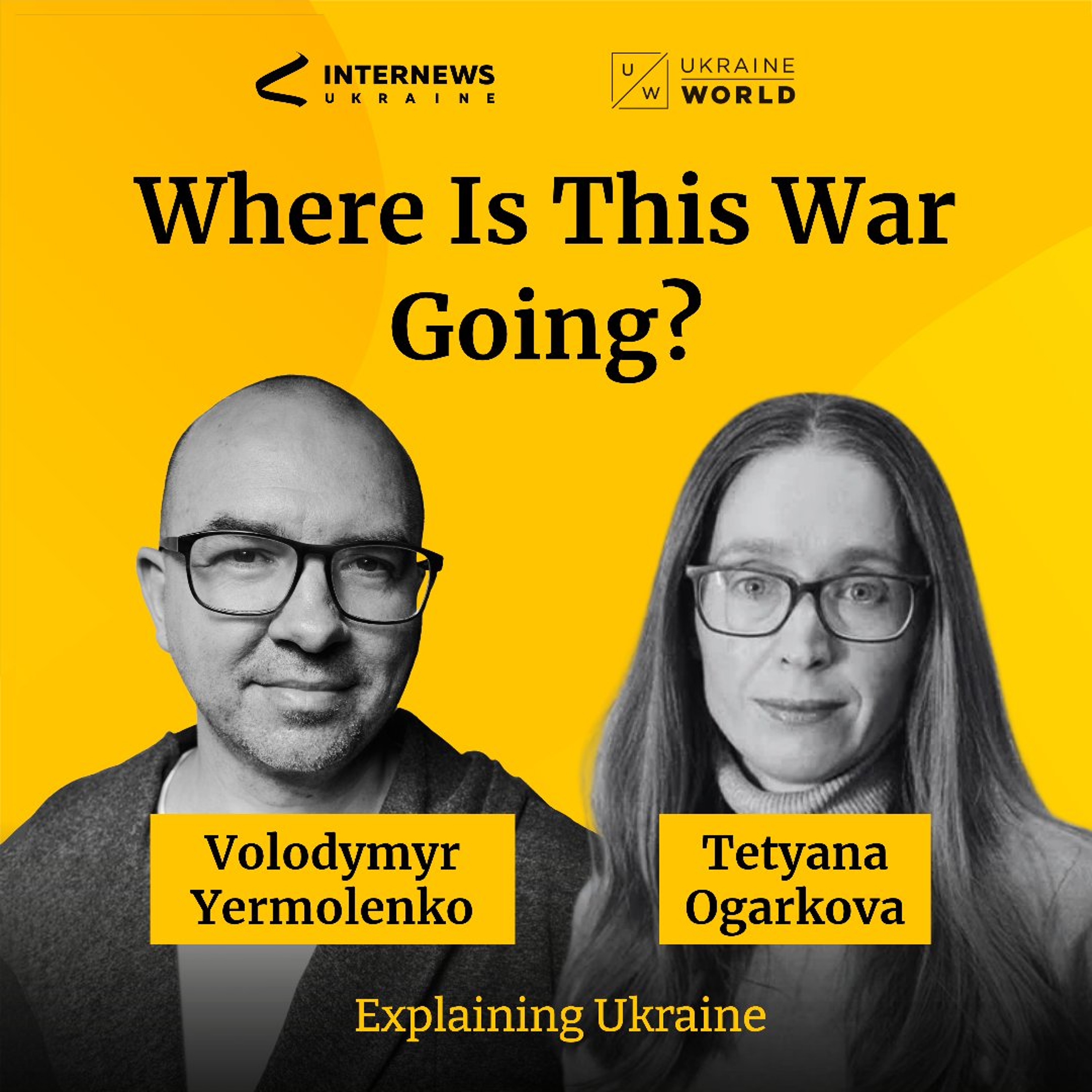
Where Is This War Going?
Ukraine might be facing the most difficult winter in its recent history due to Russian strikes on vital civilian infrastructure. But the crisis is already unfolding since August: Ukraine is nearly defenseless against Russian ballistic missiles and is finding it increasingly difficult to shoot down jet-powered drones. The Russian army is trying to make Ukraine unlivable, yet Ukrainians continue to
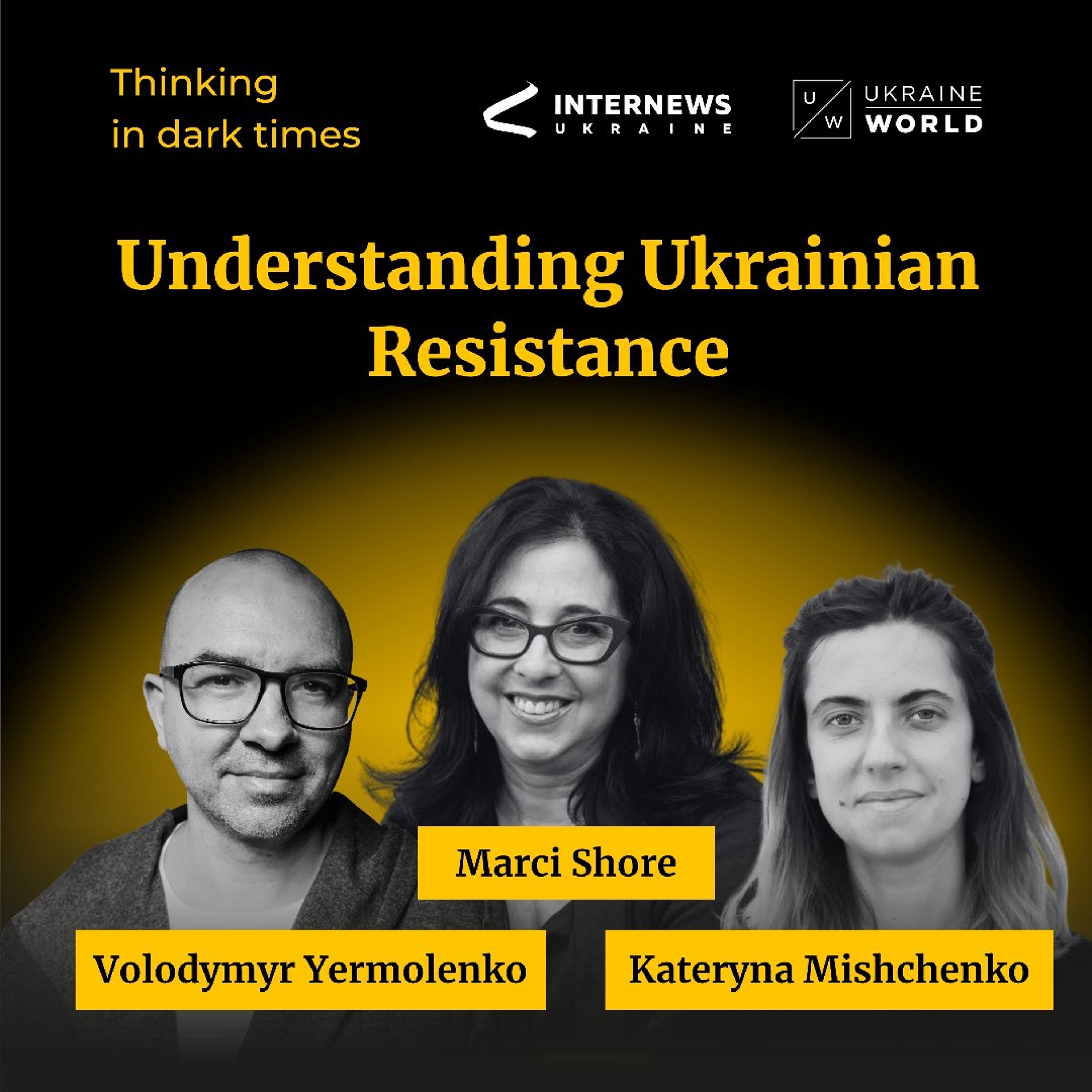
Understanding Ukrainian Resistance. Volodymyr Yermolenko, Marci Shore and Kateryna Mishchenko at the Frankfurt Book Fair
What are the roots of Ukrainian resistance? Why can we describe Ukrainian culture and statehood not as something that exists thanks to favorable circumstances, but as something that has survived and flourished despite oppression and countless obstacles? How does Ukraine’s struggle today fit into the broader global challenges facing democracies? And why is Ukrainian resistance crucial to the surviv
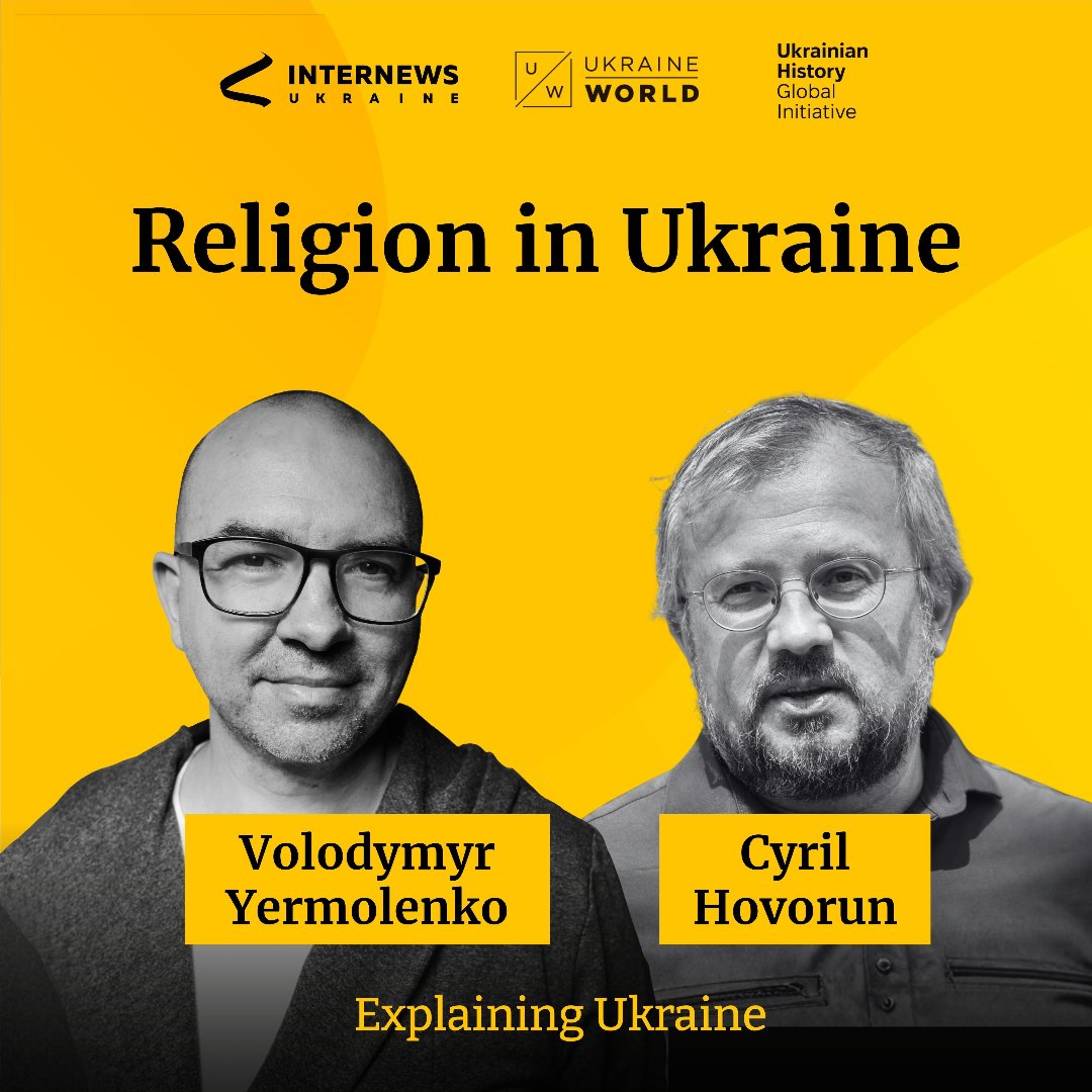
Religion in Ukraine - with Cyril Hovorun
What role does religion play in Ukraine? How pluralistic is the country’s religious landscape? Which Christian denominations are the most influential, and how does Christianity coexist with Islam and Judaism? Why is Ukrainian Orthodoxy divided, and what is the story behind the emergence of an autocephalous Orthodox Church of Ukraine? And how does Russia use its branch of Orthodoxy in Ukraine as an
Why Shevchenko Is Still Central to Ukrainian Identity - with Rory Finnin
Why does Taras Shevchenko remain the central figure of Ukrainian culture? Why is a poet who lived in the 19th century still perceived in Ukraine almost as a contemporary?
How does Shevchenko’s understanding of time and history differ from our present-day perspective, so focused on the immediate moment and often lacking the depth of historical memory? And how did he articulate powerful anticolonia
Timothy Snyder on the Deep Layers of Ukrainian History
Studying Ukrainian history can be far more fascinating than you might think. It can reveal deeper layers of our past than we ever imagined and help us better understand the history of humanity as a whole.
It can help us grasp why the interaction between settled and nomadic cultures has been so important throughout human history. Why some of the world's earliest proto-cities emerged in what is now
The Magic of Ukrainian Traditional Music - with Mariana Sadovska and André Erlen
Ukrainian traditional music has preserved one of the richest traditions of polyphonic singing in the world. It has survived centuries of oppression, oblivion, marginalisation, and even physical extermination.
Despite all this, there have always been people in Ukraine who travelled to villages, talked to local singers, listened to their songs, and recorded them. Thanks to their work, this tradition
The Steppe Origins of Russian Imperialism - with Michael Khodarkovsky
How did the vastness of the Eurasian steppe shape the political model of Russian imperialism? What does the Russian Empire have in common with other Eurasian empires — the Ottoman, Persian, Mughal, Chinese, and others? What are the roots of Russia’s assimilationist imperialism and its claims to global domination? And why is the Russian political model so deeply rooted in the logic of war and milit
The War, Without Illusions - with Andriy Zagorodnyuk
How can Ukraine protect itself against Russia’s ballistic missile threat? What role can Europe play, particularly through joint production? Can Ukraine develop its own anti-ballistic missile? And who is winning this war now?
***
Explaining Ukraine is a podcast by UkraineWorld, an English-language media outlet about Ukraine brought to you by Internews Ukraine
Host: Volodymyr Yermolenko, the edito
Unmasking Russian Propaganda - with Thomas Kent
Why should we take Russian propaganda seriously? Why is it so deeply rooted in Russia’s authoritarian vision of society and politics? What lessons can we learn from Russia’s war against Ukraine about information warfare? And how should the West change its strategies — and do so quickly?
***
Explaining Ukraine is a podcast by UkraineWorld, an English-language media outlet about Ukraine.
Host: Vo
What You Need to Know About Ukrainian Society - with Maryna Starodubska
What values define Ukrainian society? How accurate is it to say that Ukrainians have high levels of horizontal trust—trust in one another—but low trust in public institutions? How should we understand power distance in Ukraine? Is corruption really as great a threat as it is often portrayed, or is its impact sometimes overstated? And how have these dynamics changed during the war?
***
Explaining
What Are the Hidden Risks of a Ceasefire? We Asked Chatham House Experts
When people look at this war from the outside, they often ask one question: When will it end? Many assume that if a ceasefire is reached, the war will be over and life will return to normal.
But we should not confuse a ceasefire with a lasting peace—or, more importantly, with a just peace that restores Ukraine’s rights. Thinking about a possible ceasefire, therefore, also means thinking about its
Is the War Approaching a Turning Point? - with Tetyana Ogarkova
Many things have changed this year. Ukraine is now striking targets deep inside Russian territory on a regular basis. Russia’s traditional strengths—its vast territory and abundant resources—are increasingly becoming liabilities. The war may be approaching a turning point. It is time to seriously consider that a Ukrainian victory is not only possible but also the only viable path to a lasting peac
Greece, Ukraine, Communism, War, Europe - with Christos Chomenidis
I read this book with absolute passion. While it is a novel, it is truly an epic—the story of a family told through the greatest upheavals and disasters of the 20th century. Although it is set in Greece, we Ukrainians can deeply relate to this story: a narrative where global events shape your life far more than your own plans.
It is a novel about national conflicts and population displacements, f
Foreign Fighters in Ukraine: What Are Their Stories? - with Colin Freeman
Although Russia claims to be waging a war against the so-called West, no other country has officially deployed its military to fight alongside Ukraine. Instead, thousands of individuals from across the globe have made the personal choice to join the Ukrainian defense. Who are these foreign volunteers risking their lives to fight the Russian invasion? What motivates them? What challenges do they fa
Mariupol: Inside Russia’s Massive War Crime - with James Verini
On March 16, 2022, the Russian army committed one of the gravest war crimes of its invasion of Ukraine. It dropped air bombs on the Mariupol Drama Theatre, knowing that around a thousand civilians were sheltering inside, seeking refuge from Russian shelling. It did so despite the huge inscriptions reading “Children” — written in Russian on both sides of the theatre — clearly visible from the air a
How Russians Are Erasing Life in Ukraine’s South - with Zarina Zabrisky
The Russian army is hunting people in Kherson, a major city in the southern part of Ukraine. It is estimated that 700 Russian drones attack Kherson region every day. Russian soldiers are targeting Ukrainian civilians, their cars, and their homes, as if they were on a safari.
On the occupied lands of the Kherson region, on the left bank of the Dnipro River, the situation is even worse. There, the
Why Europe must fix its defence now - with Moritz Schularick
Ukraine has won time for Europe. A vast amount of time. But the price of this time has been tremendous. It is measured not in money, but in human lives. Dozens of towns and hundreds of villages have been destroyed. Occupied territories, occupied people, occupied lives—an occupied future.
Europe helps, and it helps a lot. The Ukrainian economy would be in a far more difficult situation without Eur
How Russia can be defeated - with Lesia Ogryzko
In recent months, Ukrainian deep strikes into Russia have outnumbered Russian strikes on Ukraine. Ukraine has managed to build its military capacities practically from scratch, while Russia has made very little technological progress since 2022. Furthermore, Russia is losing more and more people on the frontline, even as the pace of its advance slows down. Does this mean Ukraine can win the war?
Odesa in love and war - with Julian Evans
Let’s travel for a moment. Imagine you are on the shore of the Black Sea, in Odesa—one of the most beautiful cities in Eastern Europe.
Odesa possesses multiple identities and refuses to be trapped by a single definition. It is Jewish, French, Italian, Ukrainian, Crimean Tatar, Romanian, Moldovan, Greek, Bulgarian, and more. Both the Russian and Soviet empires sought to flatten this multiplicity i
Can Europe become a security union? - with Borja Lasheras
Can Europe become a genuine security union? Is it truly aware of the 21st-century geopolitical dangers that threaten its very existence? How central is Ukraine to Europe’s self-defense, and does the continent understand—and adapt to—the changing nature of modern warfare?
***
This is the “Explaining Ukraine” podcast.
Host: Volodymyr Yermolenko, a Ukrainian philosopher, chief editor of UkraineWor
What Black Americans and Ukrainians can tell each other
What do Ukrainians and Black Americans share in their historical and cultural experiences? Can we draw comparisons between serfdom and slavery, or find parallels in the colonial traumas and the struggle for human dignity? Furthermore, what role do culture, identity, and language play in overcoming these legacies?
In this episode of the Explaining Ukraine podcast, we share a recording of a vital d
Why Ukraine's resistance starts with ordinary people
How did two friends save hundreds of civilians? How did one restaurant feed tens of thousands in a besieged city? What does a former entrepreneur feel while recovering the bodies of fallen soldiers every day? What is life truly like under Russian occupation? And most importantly—why is the Ukrainian resistance impossible to grasp without understanding the role of ordinary people, like you and me?

Why the world needs Ukraine’s war tech - with Yulia Marushevska
Why has Ukraine rapidly emerged as a global leader in advanced defense technology? What is the secret behind this innovation? How has warfare evolved over the past few years, and how are these shifts manifesting not only in the Russo-Ukrainian war but also in the Middle East? Are new drone technologies permanently altering the balance of power between major powers and smaller nations? Finally, wha

Decoding Trump’s Ukraine policy - with Christopher Atwood
Since Donald Trump’s return to the U.S. presidency, Russia has drastically escalated its missile and drone strikes on Ukrainian cities. In January 2026, launches exceeded 6,000—a sharp increase from approximately 2,000 in January 2025. The use of guided aerial bombs (KABs) also reached a record high of almost 6,000 per month. With the Trump administration significantly cutting military aid to Kyiv

Russia's energy terror against Ukraine - with Oksana Ishchuk
During this record-breaking cold winter, millions of Ukrainians are regularly left without electricity, water, or heat as temperatures plummet to -20°C and below. Does Russia intend to make life in Ukraine unlivable? Can the country’s civilian infrastructure continue to withstand such a massive, relentless assault? And what are the alternatives for the future?
***
Explaining Ukraine is a podcast

Can Ukraine win the technological war? - with Volodymyr Havrylov
What are the prospects for peace talks — and why are many Ukrainians skeptical about them? Does Ukraine have technological parity with Russia on the battlefield? And how has Ukrainian civil society become one of the country’s greatest assets during the war?
***
Host: Volodymyr Yermolenko, a Ukrainian philosopher, editor-in-chief of UkraineWorld, and president of PEN Ukraine.
Guest: Volodymyr Hav

Cities without kings: humanity's prehistory on Ukrainian soil — with David Wengrow
What can the deep past of Ukrainian lands reveal about the global story of humanity? Six thousand years ago, "mega-sites" flourished in what is now central Ukraine—but can these be considered the world’s first cities? How were they organized without central authorities, and how do they challenge everything we thought we knew about early social life?
***
This is Thinking in Dark Times, a podcast b

Ukraine in 2025: can peace talks succeed?
In 2025, Ukraine is facing unprecedented pressure from one of its key partners, the United States. The Trump administration has chosen not to act as Ukraine’s ally, but rather as a mediator between Ukraine and Europe on the one hand, and Russia on the other.
This shift has fundamentally changed the geopolitical framework of Russia’s war against Ukraine. Around the world, the language of victory h

How Ukrainians fund their own defense: the story of “Come Back Alive”
Imagine an NGO that has raised over one billion dollars to support the Ukrainian army. Imagine a civil society initiative that purchases armaments and military equipment. Imagine a transparent organisation with an independent board and detailed reporting. This NGO exists — it is called “Povernys Zhyvym”, or “Come Back Alive”. It is one of the largest Ukrainian civil society foundations supporting

Ukrainian geopolitical thought - with Danylo Lubkivsky
Ukraine has its own tradition of geopolitical thinking — a tradition that reaches deep into the past and continues to shape the country’s strategic imagination today. What are its key traits? Why was it developed more by writers than by statesmen? And how does it relate to Ukraine’s current reflection on its identity?
***
Explaining Ukraine is a podcast by UkraineWorld, an English-language media

Why the Ukrainian Greek-Catholic Church is unique - with Natalia Shlikhta
What makes the Ukrainian Greek Catholic Church so unique? Why is it such a remarkable attempt to bridge the divide between Eastern and Western Christianity? How can its history help us better understand the history of Europe and of the Christian religion? How has it shaped Ukrainian national identity? And how did it survive the Soviet era, when the authorities sought to eradicate it?
***
Explaini

Ukrainian culture: how to reassemble a broken picture - with Olesia Ostrovska-Liuta
Ukrainian cultural heritage is not something that quietly settles into national archives. In reality, it is the result of a dramatic struggle against destruction and oblivion. This makes this heritage so magnetic—precisely because it is not always visible or accessible, yet can be reconstructed like a lost mosaic.
In this episode, we talk about what the Ukrainian cultural heritage is, and how we
How Russia built its myth of Kyiv - with Kateryna Dysa
Russian propaganda claims that Ukraine is not a separate nation, but merely a “preliminary form” of Russia. Today’s Kremlin ideology seeks to annex Ukrainian history in order to justify its territorial aggression. But this myth has a birth certificate. It emerged in the 19th century, when the Russian Empire started inventing its “ancient” medieval roots. Before that, Russian travellers in Ukrainia

Nobel Laureate Oleksandra Matviychuk on Ukraine’s Moral Core
She is not only a Nobel Peace Prize laureate. She is not only one of the most visible human-rights defenders in Europe in recent decades. She is not only a tireless activist with profound empathy for others. She is also a thinker — someone who reflects deeply on the moral foundations of freedom and dignity.
Our guest today is Oleksandra Matviychuk, a prominent Ukrainian human-rights defender and

Being a Ukrainian soldier - what is it like? - with Vladyslav Urubkov
How is the life of a soldier different from that of a civilian? Which aspects of it are hardest for civilians to understand?
What is happening on the frontline today — and how will the outcome of this war depend on the technological race?
***
Host: Volodymyr Yermolenko, a Ukrainian philosopher, editor-in-chief of UkraineWorld, and president of PEN Ukraine.
Guest: Vladyslav Urubkov, a former sold

Why Europe’s security depends on Ukraine - with Yevhen Hlibovytskyi
Ukraine is not a burden for Europe — it’s a chance for Europe.
Today, European security is unthinkable without Ukraine. Ukraine has the strongest army in Europe, a dynamic defense industry, and citizens with vast military experience.
The real question is: to what extent does Europe itself understand the threat posed by the new authoritarianisms? And to what extent does it realise that helping Uk

How to rediscover Ukraine: the story of Ukraïner - with Julia Tymoshenko
In this episode, we will talk about “Ukraïner”: a great initiative that has done a great deal to help rediscover Ukraine — both from within and from abroad.
“Ukraïner” launched expeditions to villages and towns across the country, researched the lifestyles and cultures of Ukraine’s diverse communities, and created outstanding textual and visual projects that help us better understand our own lan

Ukrainian children, kidnapped and reprogrammed by Russia - with Kateryna Rashevska
In this episode, we discuss how Russia destroys Ukrainian families, kidnaps Ukrainian children — including those who have parents — and reprograms them, changing their identity, their way of thinking, their lifestyle, their homes.
***
Host: Volodymyr Yermolenko, a Ukrainian philosopher, editor-in-chief of UkraineWorld, and president of PEN Ukraine.
Guest: Kateryna Rashevska, a Ukrainian human r

Where Ukrainians get their news in war - with Kostiantyn Kvurt
Where do Ukrainians get their news? What are the key trends in Ukraine’s media sector during the war? Do citizens trust information coming from the government? And why is Ukrainian society so dependent on Telegram, a Russian social network?
In this episode, we discuss a report, “Ukrainian media. News Consumption and Trust in 2025”—a new study conducted by Internews Ukraine with support from its p

Timothy Snyder on why history matters — and how we get it wrong
In September 2025, in Kyiv, a prominent American historian Timothy Snyder received the Vasyl Stus Prize — a Ukrainian award honoring the name of Vasyl Stus, one of Ukraine’s greatest poets and dissidents of the 20th century, killed by the Soviet regime in 1985. Founded in 1989 by Yevhen Sverstiuk, another prominent Ukrainian dissident, the prize is now awarded by PEN Ukraine, the publishing house

A Brief History (and Present) of Ukrainian Theatre — with Mayhill Fowler
What do we know about theatre — the most ephemeral of the arts — in Ukraine? What role did Ukrainian theatre play in Soviet times? How is the heritage of the Executed Renaissance generation still alive today? And why are women in theatre so important — and yet so often ignored?
***
The Explaining Ukraine podcast is produced by UkraineWorld, an English-language media project about Ukraine run by I

How Poetry Shaped the Ukrainian Nation — with Rory Finnin
Why is Taras Shevchenko not only the founding father of Ukrainian poetry but also of Ukrainian identity? What aspects of his legacy remain alive today? And how does poetry shape a nation?
***
Host: Tetyana Ogarkova, a Ukrainian literary scholar at Kyiv Mohyla Academy and journalist at Ukraine Crisis Media Centre who also runs a French-language podcast, “L’Ukraine face à la guerre”.
Guest: Rory F

Niall Ferguson on Empires, Networks, and Ukraine
Are all empires equally bad? If some were better than others, what criteria can we use to make such judgments? Why must we study networks, not only hierarchies, to understand our past, present, and future? What happens to societies in times of catastrophe, and who has the best chances of survival? And finally — why is Ukraine so important for the world today?
***
Host: Volodymyr Yermolenko, a Ukr

How Ukraine fights Russian drones - with Taras Tymochko
Let’s take a deeper look into drone warfare and the long-term changes it is bringing to the battlefield. How is Ukraine countering Russian drone attacks? How is it developing systems of drone interceptors? Are we moving toward a future where drones will fight other drones? And what skills must our societies cultivate to prepare for this new reality?
***
The “Explaining Ukraine” podcast is produc

How Ukraine's IT keeps surprising the world - with Taras Tymoshchuk
How is Ukrainian IT transforming the country’s defence? Why is technology key to success in today’s war? Why is Ukraine one of the world’s most dynamic IT nations — and why does it still hold so much untapped potential? And finally, how has the IT sector become a driver of social change, reshaping Ukraine’s social fabric today?
***
Explaining Ukraine is a podcast by UkraineWorld, an English-langu

Why Ukrainian History Matters Globally — with Yaroslav Hrytsak
Yaroslav Hrytsak is one of Ukraine’s leading historians and public intellectuals. His recent book in Ukrainian, "Overcoming the Past: A Global History of Ukraine", became a bestseller. His English-language book, "Ukraine: The Forging of a Nation", is now a key reference work on Ukrainian history.
We met in Lviv to discuss the global dimension of Ukrainian history, and the features of Ukraine’s po

Can Security Guarantees Stop Russia’s War? — with Hanna Shelest
If Ukraine does not receive real security guarantees, the war will continue—and is likely to spill over into the rest of Europe. But what kind of guarantees are truly needed, and which of them are realistic?
***
Host: Volodymyr Yermolenko, a Ukrainian philosopher, editor-in-chief of UkraineWorld, and president of PEN Ukraine.
Our guest today is Hanna Shelest, one of Ukraine’s leading experts on

Сaptivity, torture, violence, and love - with Maksym Butkevych
Maksym Butkevych is a prominent Ukrainian human rights defender. Before the Russian full-scale invasion of Ukraine, he dedicated his efforts to the protection of people whose rights were violated.
When Russia launched its war against Ukraine, Maksym joined the Ukrainian army to defend his country.
In June 2022, he was taken prisoner of war by Russia and accused of committing a war crime. The ca

Ukraine vs Russia: who leads the tech battle? - with Glib Voloskyi
Why is technology playing such a decisive role in this war? Who is ahead in technological innovation—Ukraine or Russia? How are drones reshaping the battlefield, and how might they also transform technologies of peace? And why must Europe step up its technological cooperation with Ukraine?
***
Host: Volodymyr Yermolenko, a Ukrainian philosopher, editor-in-chief of UkraineWorld, and president of P

How Russians hunt civilians in Kherson - with Zarina Zabrisky
Kherson may be the most dangerous regional center in Ukraine. Occupied by Russian forces in 2022, its residents were subjected to torture and intimidation.
The city was liberated by Ukrainian forces in November 2022 — but almost immediately came under daily bombardment and shelling from Russian troops stationed just across the Dnipro River.
In June 2023, Kherson was hit by a catastrophic flood c

Why Trump’s Ukraine plan won’t work - with Tetyana Ogarkova
Trump is set to meet with Putin in Alaska on August 15. Media reports and leaks ahead of this meeting, along with statements by President Trump and members of his administration, suggest that the two leaders may have discussed a plan in which Ukraine would cede some or all of the occupied territories to Russia in exchange for “peace.”
This brings us back to the basics: the fundamental truth that

Russian war crimes explained by Nobel-winning Ukrainian NGO - with Oleksandra Romantsova
Russia has committed over 160,000 war crimes in Ukraine, according to Ukraine's Prosecutor General's office.
What kinds of crimes are most widespread in Russia’s invasion of Ukraine?
Why is the Russian approach to war so heavily marked by cruelty?
Why do Russian forces torture Ukrainian civilians and abduct Ukrainian children?
***
Host: Volodymyr Yermolenko, a Ukrainian philosopher, editor-in-c

What research tells us about the Ukrainian army - with Oleksiy Moskalenko
How can we understand what’s happening inside the Ukrainian army?
How do soldiers feel? What challenges do they face? What parts of military life do they believe aren’t working?
Traditional sociology doesn’t always provide the answers. But another discipline — anthropology, also called ethnography — offers a different approach. This method involves deep immersion into the everyday lives of soldi

How Does Ukraine Talk to the Wider World? We Asked the Ukrainian Institute
Ukraine wants to be heard around the world. But we must also learn to listen to the wider world in return.
The Ukrainian Institute — the country’s leading institution for cultural diplomacy — is doing remarkable work to make Ukraine’s voice heard not only in Europe and North America, but also across Africa, Asia, and Latin America.
In this episode, I speak with two key figures at the Ukrainian I

Why colonialism is more complicated than you think - with Botakoz Kassymbekova
What’s the difference between colonialism and imperialism? What types of colonialism can we identify — and which of them are playing out in Russia’s invasion of Ukraine and other countries?
This conversation is not purely academic. It helps us better understand what’s happening today — and what might happen tomorrow. Russian colonial and imperial practices sometimes resemble those of other empire

Why Russia fears Ukrainian literature - with Myroslav Shkandrij
Myroslav Shkandrij is a prominent scholar of Ukrainian cultural history and Professor Emeritus at the University of Manitoba in Canada.
He has written extensively on topics such as avant-garde art in Ukraine, Ukrainian nationalism, Jews in Ukrainian literature, cultural imperialism, and decolonization.
His book “Russia and Ukraine: Literature and the Discourse of Empire, from Napoleonic to Postc

His callsign is Caesar, he’s British, and he fights for Ukraine
There are foreigners fighting for Ukraine in this war — but their numbers are small.
They are not sent by their governments; they come as volunteers, driven by a personal sense of justice and a desire to help.
One of them is a British man with the callsign Caesar.
He serves in Ukraine's International Legion, fighting not only for Ukraine but for the values this struggle represents.
***
Host:

Propaganda: shaping narratives in times of war. A public discussion at CEU, Vienna
Propaganda has long been a powerful tool for shaping public opinion, influencing international discourse, and justifying military actions. In Russia’s war against Ukraine, propaganda has been a central instrument for creating narratives that legitimize aggression, undermine democracy, and manipulate perceptions both domestically and internationally.
This episode is a recording of a public event h

Nobel-Winning Economist Joseph Stiglitz on the Failures of Neoliberalism and Sanctions Against Russia
Joseph Stiglitz is a world-renowned economist and thinker who was awarded the Nobel Prize in Economic Sciences in 2001.
I met him in Tbilisi, the capital of Georgia, in June 2025 during the inspiring Zeg Festival in which we both participated.
In this podcast episode, we spoke about his latest book, "The Road to Freedom", published last year, and about how flawed ideas of freedom can ultimatel

How Drones Are Dramatically Changing the War – with Nataliya Gumenyuk
This is a new kind of war. Drones have fundamentally changed its nature—and continue to do so every day. The threats now come from above, not just ahead. If you’re wounded, medics may not reach you quickly because of the drone threat. Dugouts should be less massive—and more concealed.
And the drones themselves are diverse: small and large, for observation and for attack, for bombing and for suppl

Look at Georgia to Better Understand Ukraine and Russia – with Tornike Gordadze
Why is Georgia drifting toward authoritarianism? Why is its current government aligning more closely with Russia and blaming its predecessors for Russia’s 2008 invasion of Georgia? How are the histories of Ukraine and Georgia deeply intertwined—and why are these two countries key to understanding Eastern Europe?
My name is Volodymyr Yermolenko. I am a Ukrainian philosopher, the chief editor of Uk
Hannah Arendt on evil: what can we learn from her today? - with Marci Shore
Some might argue that the concept of evil is outdated in our relativistic age. And yet—how can we speak of war crimes, cruelty, or the neglect of human dignity without invoking the word evil? Perhaps it’s time to take it seriously again, to revisit the thinkers who have grappled with its meaning.
One of them, of course, is Hannah Arendt.
This is a conversation about Hannah Arendt and the concept
How to win an information war? - with Peter Pomerantsev
We need a fresh perspective on propaganda. The old strategies for combating misinformation are no longer effective. Simply offering fact-checks isn’t enough—those ensnared by propaganda aren’t searching for facts. They’re searching for something deeper: identity, belonging, and meaning.
This is the central argument of a new book by Peter Pomerantsev, a renowned scholar of propaganda and informati

Black Americans and Ukrainians: Unexpected Parallels – with Terrell Jermaine Starr
Terrell Jermaine Starr is a Black American journalist who spends much of his time in Ukraine. He knows the country intimately.
He also recognizes the striking parallels between the experiences of Ukrainians and Black Americans in the United States. For centuries, both groups have endured systemic violence and humiliation—sometimes overt, sometimes hidden—that have pushed them into subordinate rol
Ukraine and Democracy in the Global World – with Aman Sethi
Democracy is fragile today. Yet it is not confined to a single place, a specific country, or a particular political system. The democratic promise remains far from fully realized. Still, we can find hope in the idea that when democracy retreats in one part of the world, it may grow stronger in another.
This is “Thinking in Dark Times”, a podcast series by UkraineWorld, an English-language media o

Ukrainian Media During the War – with Ola Myrovych
Does Ukraine have freedom of speech during the war? How are the media surviving under such harsh conditions? How do media perspectives within Ukraine compare to those from outside the country?
Guest: Ola Myrovych, CEO of the Lviv Media Forum—one of the largest media events in Ukraine. We’re recording this conversation during the forum itself, in May 2025, in Lviv.
Host: Volodymyr Yermolenko, a U

Anne Applebaum on Trump, Ukraine, and Russia
We had a conversation with Anne Applebaum a few months ago on this podcast about her book "Autocracy, Inc".—be sure to check it out: https://ukraineworld.org/en/podcasts//ep-332
The current episode features a public conversation on similar themes: the crisis of democracy, the rise of new autocracies, Trump’s pro-Russian stance, and Russia’s war against Ukraine.
It was recorded as a keynote discus
A Brief History of Russian Imperialism – with Donnacha Ó Beacháin
Ukrainian resistance to the Russian invasion has once again brought to light an old topic: the cruelty of Russian imperialism—both past and present.
In this episode, we explore the major historical periods and defining features of Russian imperialism since the 16th century. This conversation will help you understand that Ukraine’s experience is one of the most visible examples, but by no means th
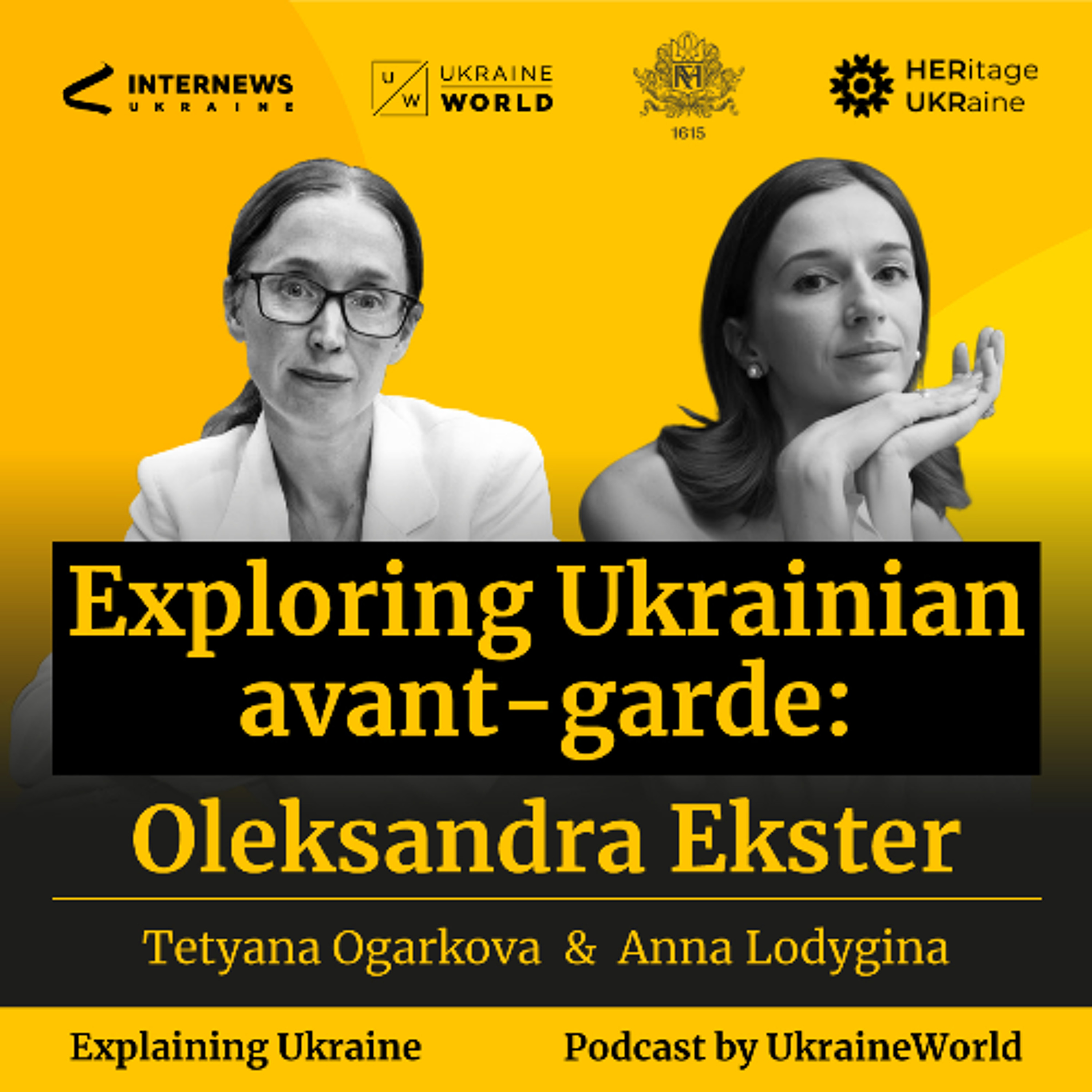
Exploring Ukrainian avant-garde: Oleksandra Ekster
In this episode, we will explore the life and works of Oleksandra Ekster, a prominent Ukrainian avant-garde artist of the early 20th century. We will discuss cubofuturism, the cultural identity of Kyiv, the role of women in Ukrainian art, and the connections between Ukrainian and European avant-garde art.
Our guest for this episode is Anna Lodygina, a Ukrainian art historian and journalist. She r
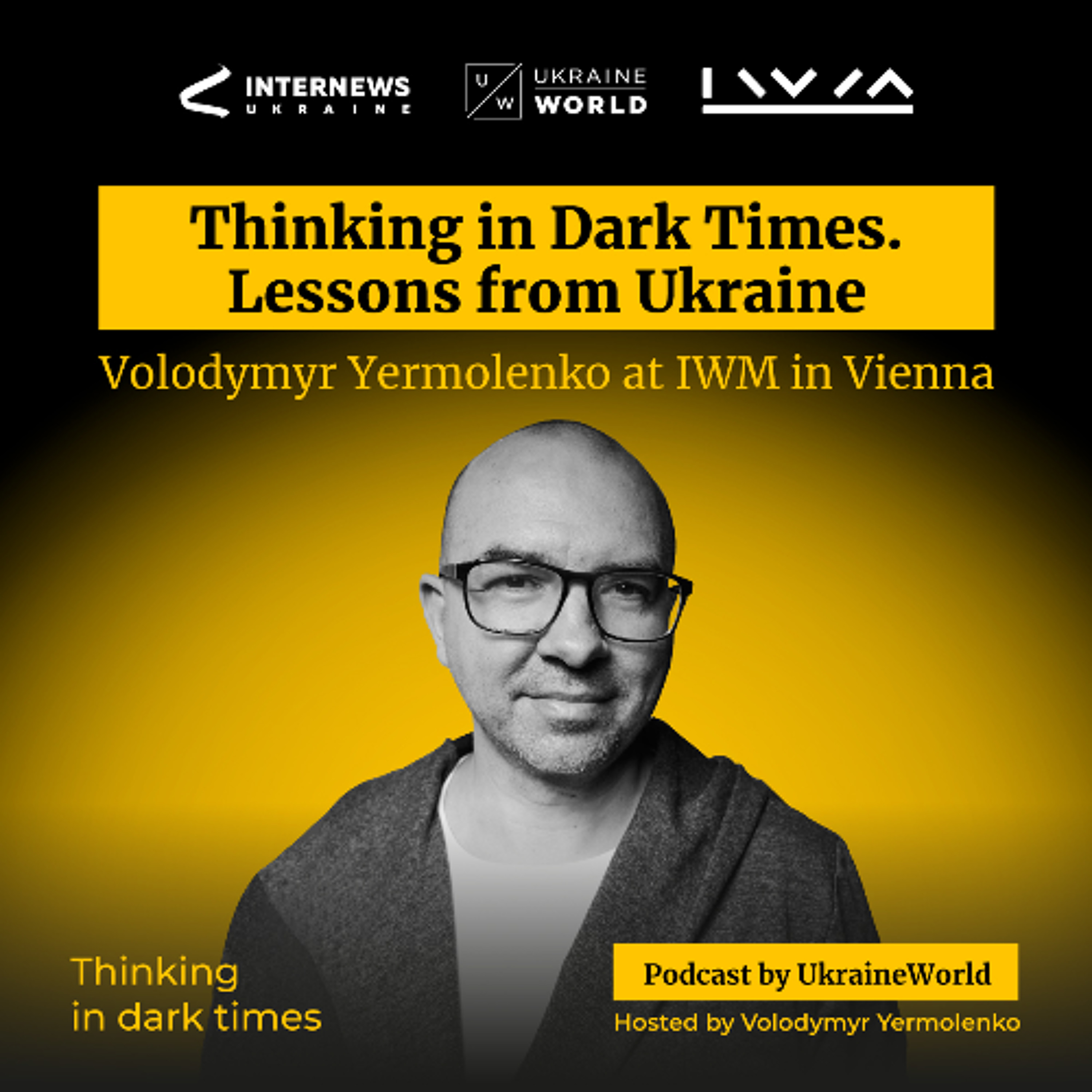
Thinking in Dark Times. Lessons from Ukraine. - Volodymyr Yermolenko at IWM in Vienna
What lessons can we draw from the Ukrainian experience? Why is Ukraine not only a place of suffering and fight, but also a place of thinking and creation? Why is the cultural renaissance so strong during the war? What does it mean to think in dark times?
Lecture by Volodymyr Yermolenko, a Ukrainian philosopher, the chief editor of UkraineWorld, and the president of PEN Ukraine, at the Institute f

Ukraine, Sri Lanka, and the War Experience - with V. V. Ganeshananthan
We should look at wars not to build hierarchies but to understand something important about humans. Where does the violence come from? How to prevent it? What to do when it is already there? How can we defend ourselves and others?
For this episode, we invited an award-winning writer V.V. Ganeshananthan. Her novel "Brotherless Night" tells a story of the civil war in Sri Lanka that has lasted for
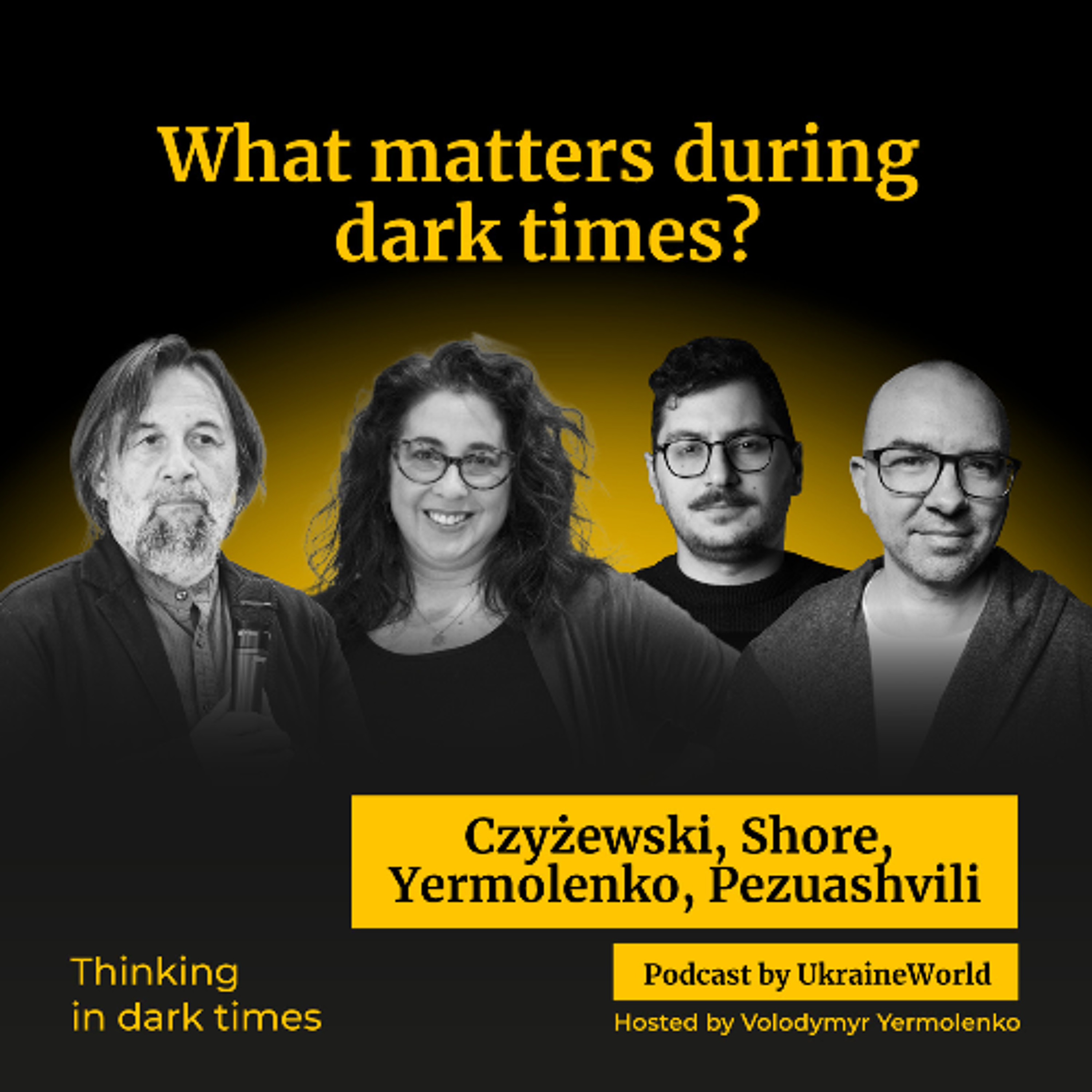
What matters during dark times? | Czyżewski, Shore, Pezuashvili, Yermolenko
Do dictators rule by death and nihilism? Do they want to make us powerless - and do they succeed? Is today’s crisis also our chance?
This is an online conversation between Polish philosopher Krzysztof Czyzewski, American historian Marci Shore, Georgian writer Iva Pezuashvili, and Ukrainian philosopher Volodymyr Yermolenko.
The event was held under the aegis of Dilemma project implemented by th

Ukraine, Russia, and World War II
Why is Russia using World War II as its major historical anchor? Why is the end of World War II seen in Ukraine as a victory of one evil over another, rather than a victory of good over evil? What was Ukraine’s role in World War II?
Host: Volodymyr Yermolenko, Ukrainian philosopher and writer, the chief editor of UkraineWorld, president of PEN Ukraine.
You can support our work at https://www.pa

Margaret Atwood on tyrannies and the fragility of freedom
Margaret Atwood is perhaps one of the greatest living writers today. Her novel "The Handmaid’s Tale" and its continuation, "The Testaments," are seen by many as prophetic.
This is a conversation about dangers and hopes, about human nature, the classics, and the challenges of dark times.
Host: Volodymyr Yermolenko, a Ukrainian philosopher, the chief editor of UkraineWorld, and the president of PE
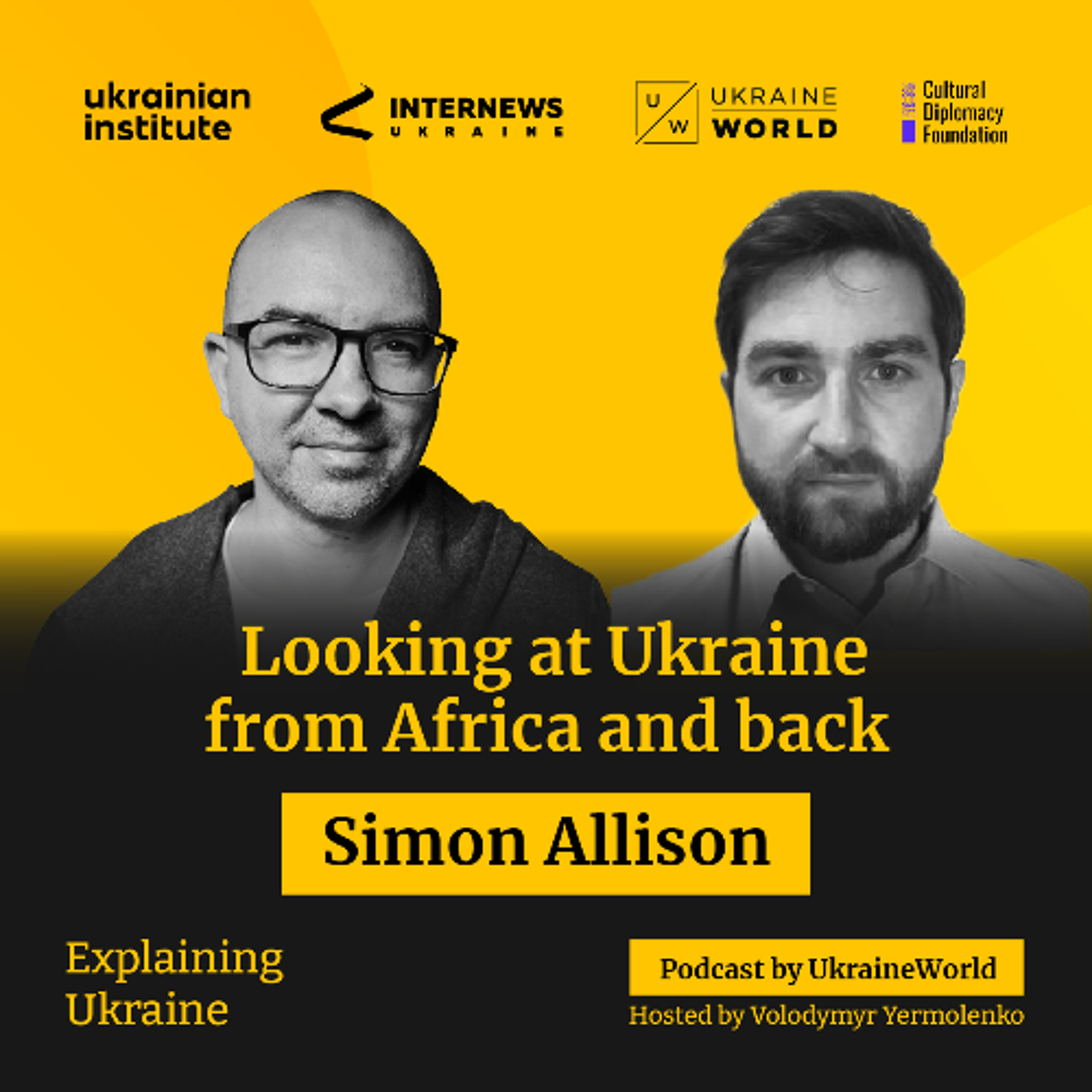
Looking at Ukraine from Africa and back - with Simon Allison
We have a lot to share with each other. We won’t agree on everything. Often, what is “good” for one may be “bad” for the other.
And yet, this conversation is necessary — and it’s interesting. A perspective from Africa on Ukraine can offer a fresh viewpoint. Likewise, a Ukrainian perspective on Africa can do the same. At the very least, let’s try.
Host: Volodymyr Yermolenko, Ukrainian philosopher

The Surprising Brilliance of Ukrainian Modernist Literature - with Rostyslav Semkiv
Ukrainian modernist literature is one of the golden ages of Ukrainian cultural history. In this episode, we’ll explore why that is—and why the questions raised during this period, spanning the late 19th and early 20th centuries, remain deeply relevant today.
"Explaining Ukraine" is a podcast by UkraineWorld, a multilingual media outlet focused on Ukraine.
Host: Volodymyr Yermolenko, a Ukrainian

"Inspired by Ukrainians": these Dutch writers bring vehicles to the frontline
They have already become our friends: Jaap Scholten and a group of courageous Dutch writers, photographers, artists, and rugby players who come regularly to Ukraine to bring vehicles to the Ukrainian soldiers.
We have already had conversations with some of them:
https://soundcloud.com/user-579586558/ep-287
https://soundcloud.com/user-579586558/ep-270
This time, we held a big event at PEN Ukr

Malevych: the Ukrainian avant-garde genius
You probably all know the Black Square, a famous avant-garde painting that has radically changed the way we think about art.
You’ve probably heard that this painting was created by Kazymyr Malevych, a “Russian painter”. But he was not Russian. He comes from Polish and Ukrainian descent, and the Ukrainian sources of his creativity and thinking are huge.
In this episode, we will try to explain why
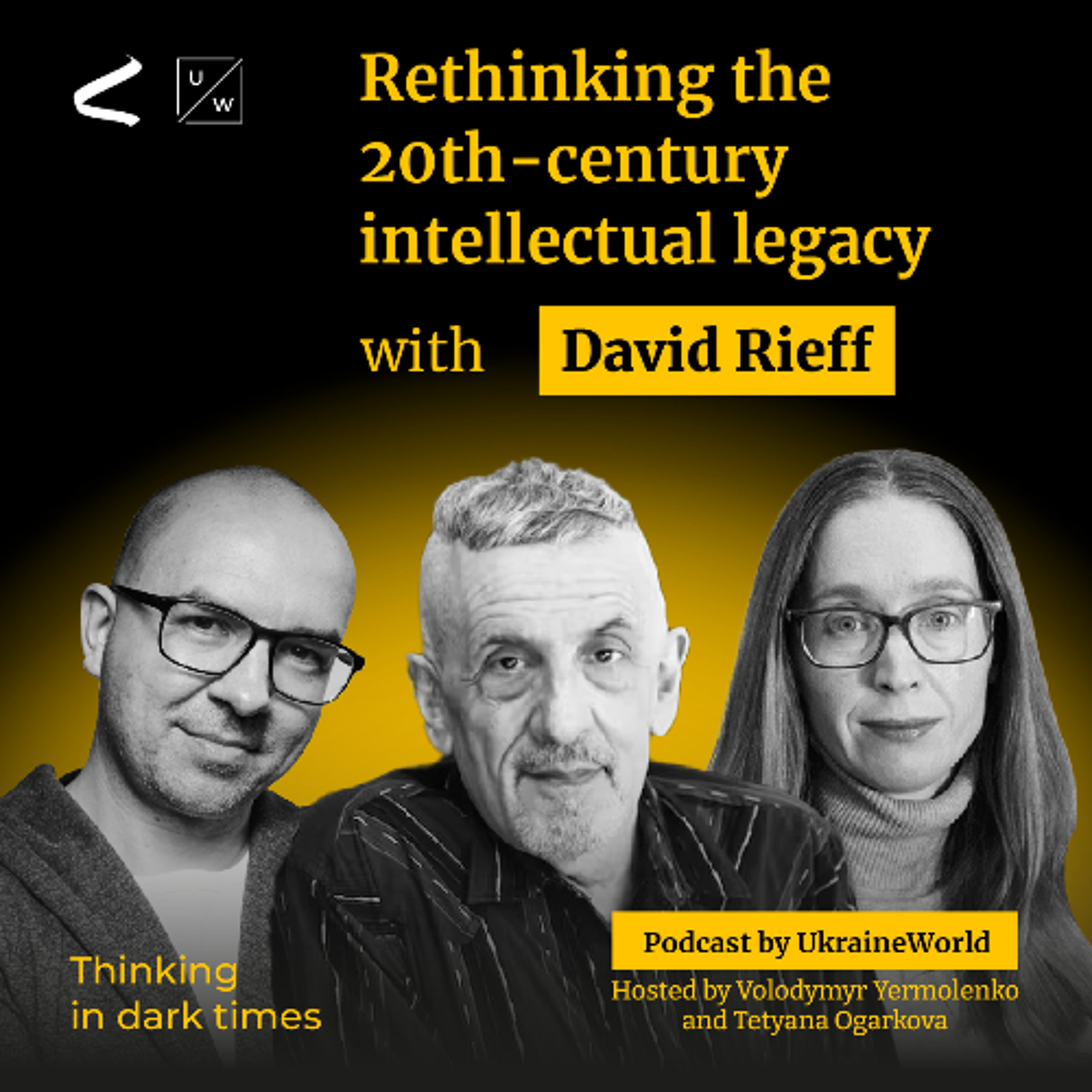
Rethinking the 20th-century intellectual legacy - with David Rieff
Which 20th-century ideas should we carry with us into the 21st century? And which of them have become obsolete?
We discuss these topics during a live event with David Rieff, a prominent American writer and journalist. The discussion was held on March 1st at PEN Ukraine space in Kyiv, and was organized by UkraineWorld, PEN Ukraine and Thinking in Dark Times podcast.
Hosts: Volodymyr Yermolenko,

How Hetman Mazepa Became a Global Cultural Figure
Ivan Mazepa is a renowned Ukrainian leader who made significant contributions to the flourishing of Ukrainian culture and the Cossack state in the late 17th century. Because of his desire for Ukraine's freedom from Muscovy, Mazepa aligned himself with the Swedish king Charles XII in a war against the Russian tsar Peter I, ultimately losing the decisive battle near Poltava in seventeen o nine
Howe