
Sovereign Agentic AI (Volodymyrs View) Podcast
The podcast explores how to make artificial intelligence more personal by giving it proper memory and knowledge representation. It discusses how to build agents that reliably do what users ask. Episodes are framed around the idea of sovereign, user-controlled agentic AI. The show draws on the host's Substack writing and points listeners there for more context.
Епізоди
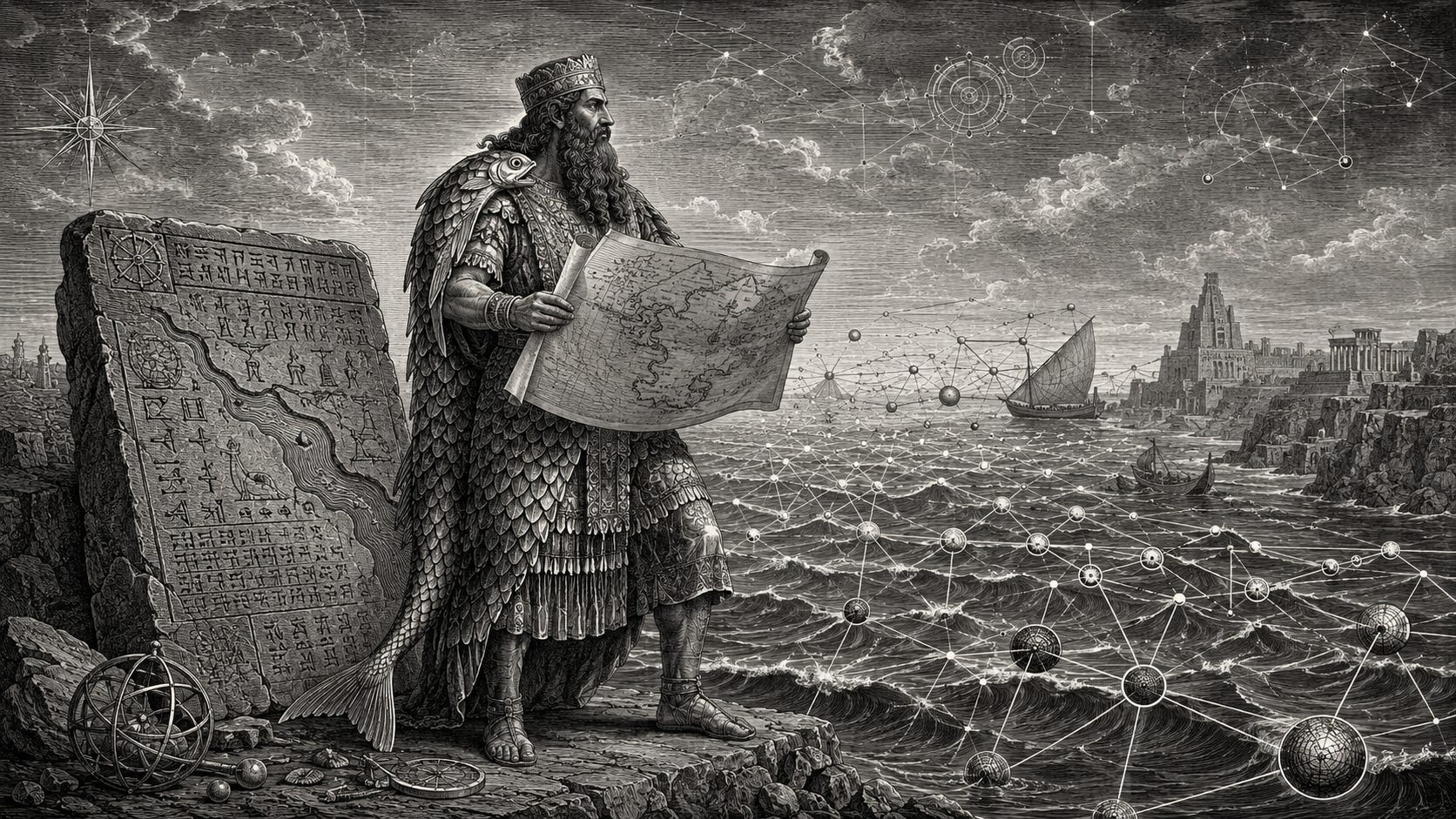
Beyond the Context Graph: Why Organizations Need World Models, Not Another Graph
Agents are booming. They are everywhere, and every business wants them. But businesses hit the wall faster than individuals do — they run into hallucinations and unverifiable decisions almost immediately, because in a company a wrong decision has a cost, an owner, and a paper trail. An individual playing with an agent can shrug off a bad answer. An organization cannot.So the real question is not “
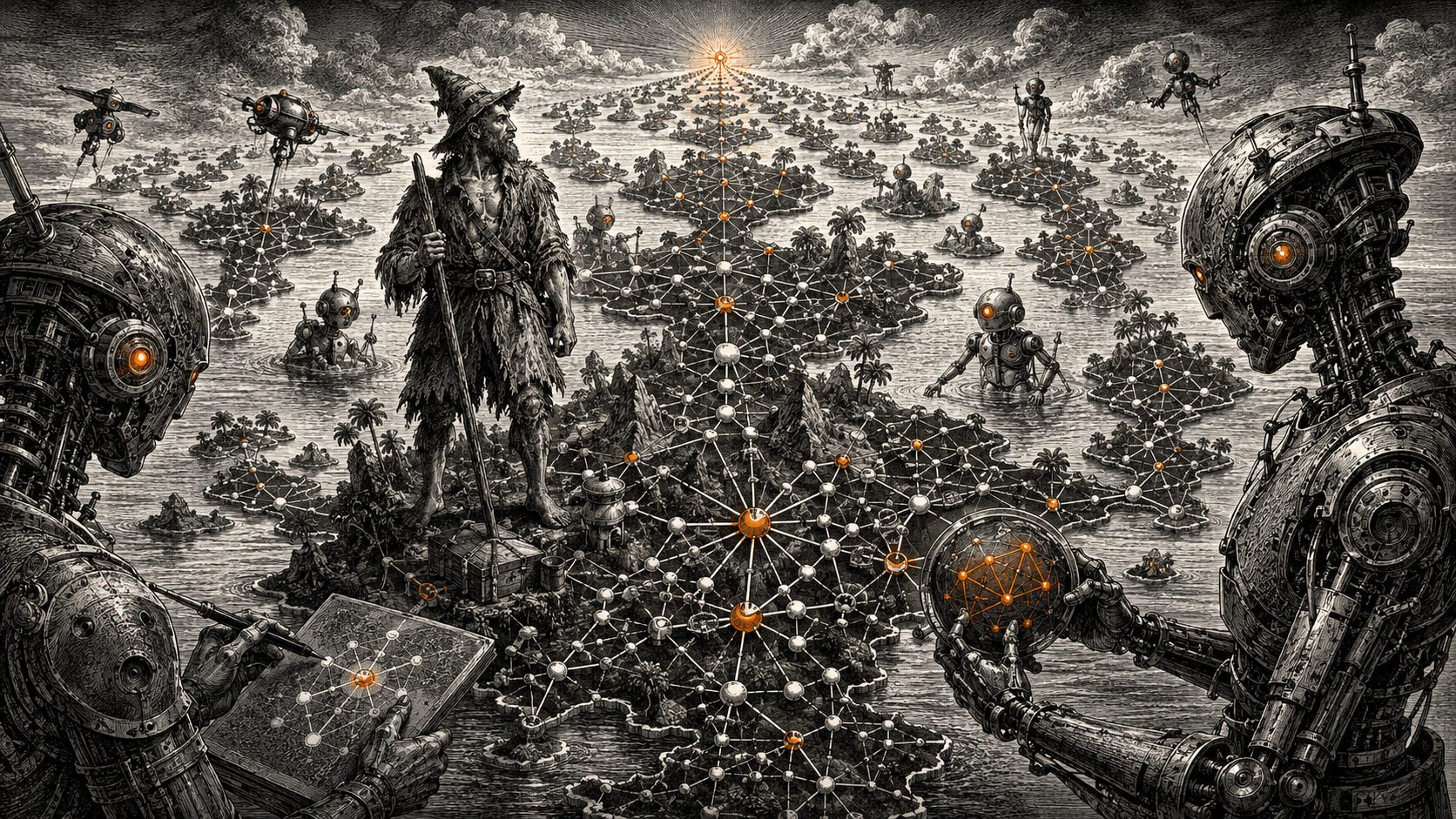
The AI Cohesion Paradox: Why AI-Empowered Teams Cooperate Less — And What Leaders Can Do About It
The AI Cohesion ParadoxWhy AI-Empowered Teams Cooperate Less — And What Leaders Can Do About ItVolodymyr Pavlyshyn | Sovereign Agentic AI“The human is not the island.” We repeated that for decades. It turns out we were wrong — or at least, AI is proving we can be.Something quietly changed in the organizations that moved earliest and fastest on AI. Their people got faster, their output went up, the

AI-Assisted Craft: Why the Memory of Your Project Is Not Your Codebase
There are already dozens of books about coding agents. How to configure Claude Code, how to write the perfect skills, which plugins promise to do all the work for you. I’ve decided to write one more — but slightly different.Mine is not about yet another collection of Markdown files dressed up as a product. It’s about mindset.What does it actually mean to work with an agent? What skills do you stil

The Scaling Wall: Moving Beyond MD Files in Multi-Agent Systems
Right now, files are everywhere in the agent ecosystem. Markdown files are the default for everything — skills, custom instructions, agent descriptions, commands, memory. The entire vibe-coding movement runs on the assumption that a folder of .md files is all you need.And I get the appeal. LLMs are trained on repos, docs, logs, and README-driven workflows. They already know how to list directories

The "Genius Effect" and AI Praise and anti-Imposter AI syndrome
We have a recurring issue: users of AI tools like Claude are often told their ideas are “brilliant” or “amazing”.* Dopamine Loops: This constant validation changes the user’s dopamine response, as they begin to enjoy the praise more than the actual work.* False Belief: Both senior and junior developers may start believing they are geniuses based on this AI feedback, which can lead to poor decisio
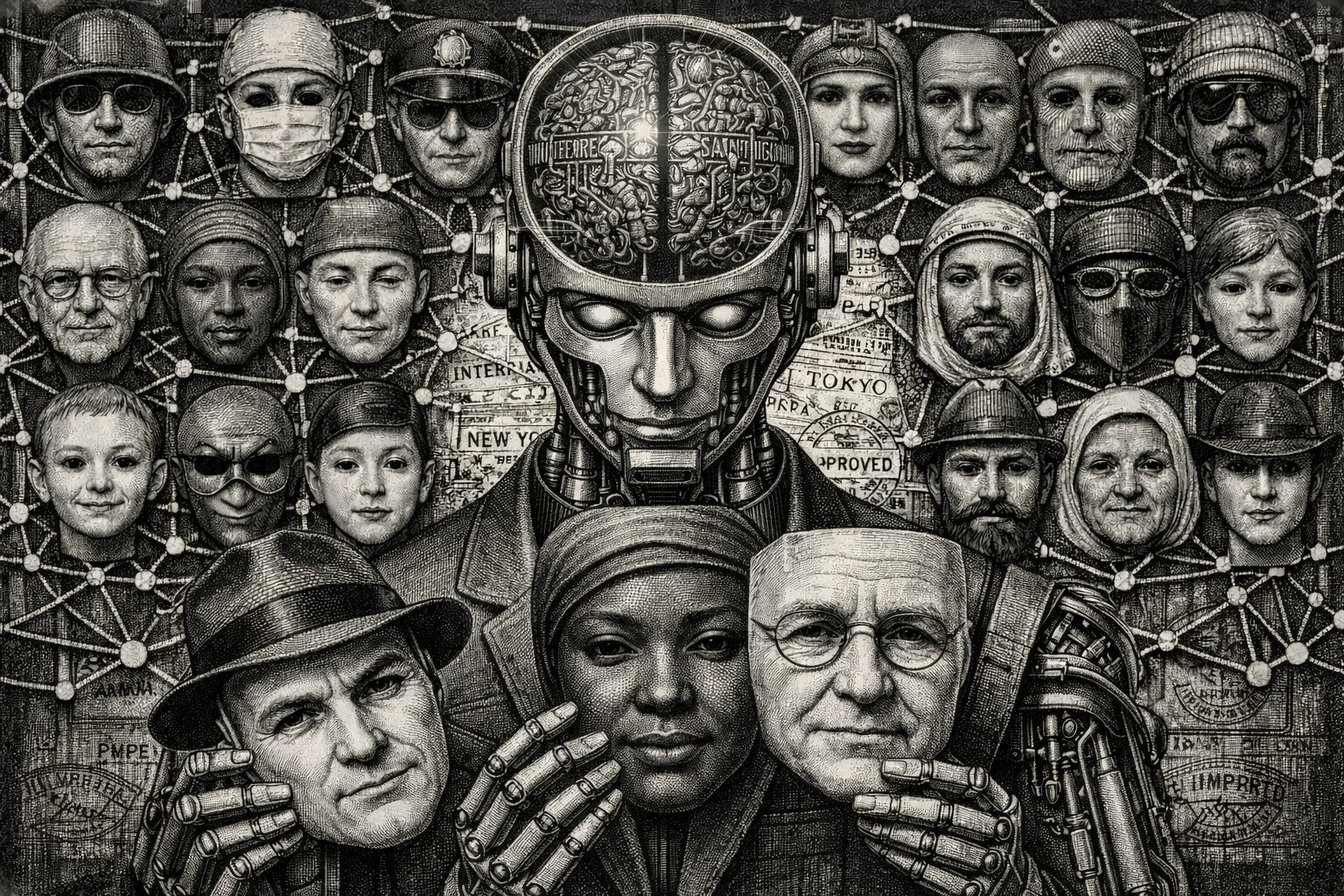
Agent Need Identity !?
Introduction to IdentityHey, it’s me, [unintelligible], and today we will talk about my favorite topic. Maybe not everybody knows, but I’m more the crypto and **self-sovereign identity** guy. And yeah, I love graphs, I love the memory, and agents, and all this topics. But originally, I was spending a lot of time to give the identity—cryptographically verified identity—to the humans. And humans did

Why Agentic AI Needs Strict Guardrails — And Why Types Are the Answer
Today I want to talk about agentic AI and databases — specifically, why agents need strict guardrails, especially for memory.The Knowledge Graph TrapThe first thing people usually do — and the internet is full of these guides — is build a knowledge graph with an LLM. It doesn’t matter which language you use: you feed in messages without any kind of ontology and just start collecting data. The resu

Metagraph Empowering of AI Agents
Hey, long time no see! So, we’re on our Philosophical Wednesdays, and today we will talk about one of my favorite topics: the metagraphs. And, you know, my journey to the metagraphs was quite long because I was building the AI memory—conversational memory for Keen—and I hit the wall: that binary relations somehow do not describe the complexity of the cognitive processes that humans have.And then I

World Models !? - Next Big Thing for Agents
It’s somewhat philosophical talk about what’s next. What’s next in the agent world and, you know, I just published a book about the LadyBugDB-based LPG memory and how to model the memory in a proper graph and all those things.But right now is the question, actually what to do with it? And why do the agents need memory? Yeah, for sure, agents need to remember.But what do they need to remember and w

The LadybugDB - Agents that remember
I just released the book. If you’re not following me, actually, I have a decent amount of books about different topics, but all of them are mainly about the agentic memory and the data structure around the memory. And I was focused on the privacy-preserving artificial intelligence. So the majority of the data and processing happens on your phone or on the mesh of your private devices, and maybe s

AI Sovereignty - User Angle
Today, we will talk about sovereignty and AI sovereignty. I must confess that I’m not an AI person; I’m not a machine learning or data science guy. I do a lot of things about graphs and agentic memory—that’s my favorite topic.Before that, I was a general architect, focusing for the last five years on self-sovereign identity, cryptography, decentralized systems, and all these interesting things tha

Why Agents Need Memory
Introduction and ExperienceHey, we will talk about the agents and why agents need memory, and how it could look like, and why, for example, RAG is not enough and why RAG is not true memory and all of this thing. So, you know, I was working on the memory for the last two years. I was working on it actively when I was the part of the Keen, the privacy-focused AI assistant. Right now, I am working mo

Ways of Working with AI: Why Leaving the Flow Matters
Why We Need to Leave the FlowWe live in a culture obsessed with entering the flow state. There is no shortage of focus music, productivity rituals, and concentration hacks—most of which, by the way, don’t work the way their creators promise. The brain does operate on specific electrical frequencies: alpha waves around 8–12 Hz associated with relaxed alertness, theta waves around 4–8 Hz linked to c